Hospitium
Proyect
Overview
How Did
it Go?
The Design
The Outcome
The Results
Workflow Optimization
Reduced average patient consultation time by 40% through centralized note management and rapid history access.
Patient Empowerment
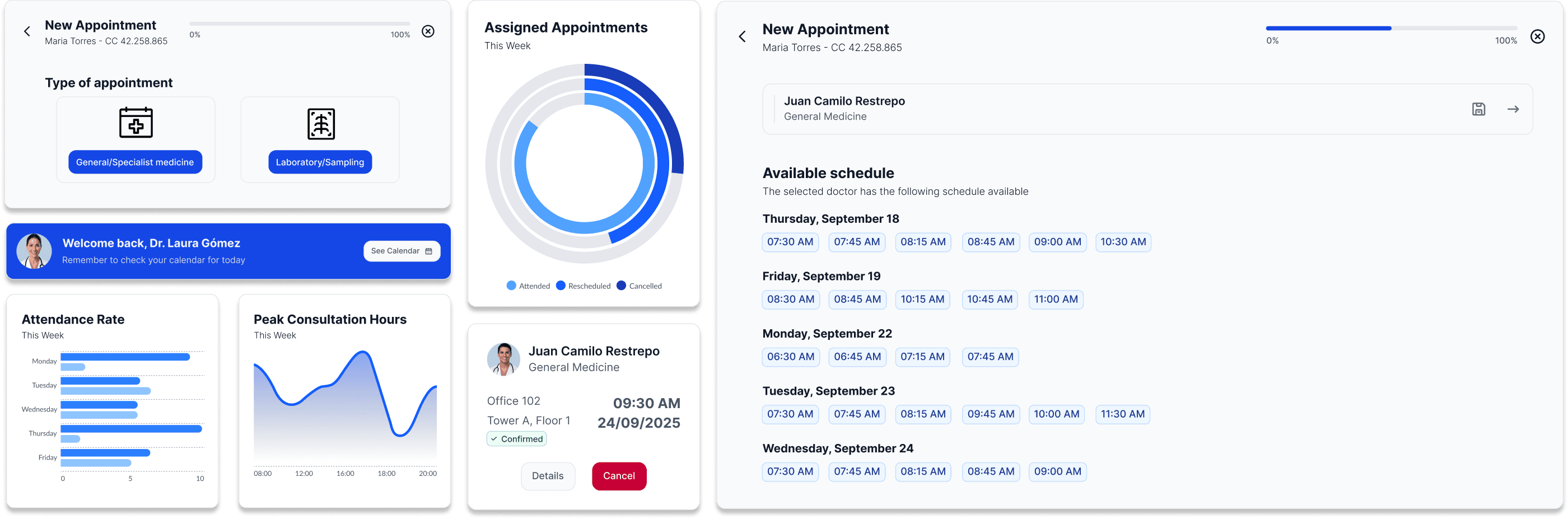
Enabled efficient remote appointment scheduling and specialist searches, reducing in-person hospital traffic.
Data Centralization
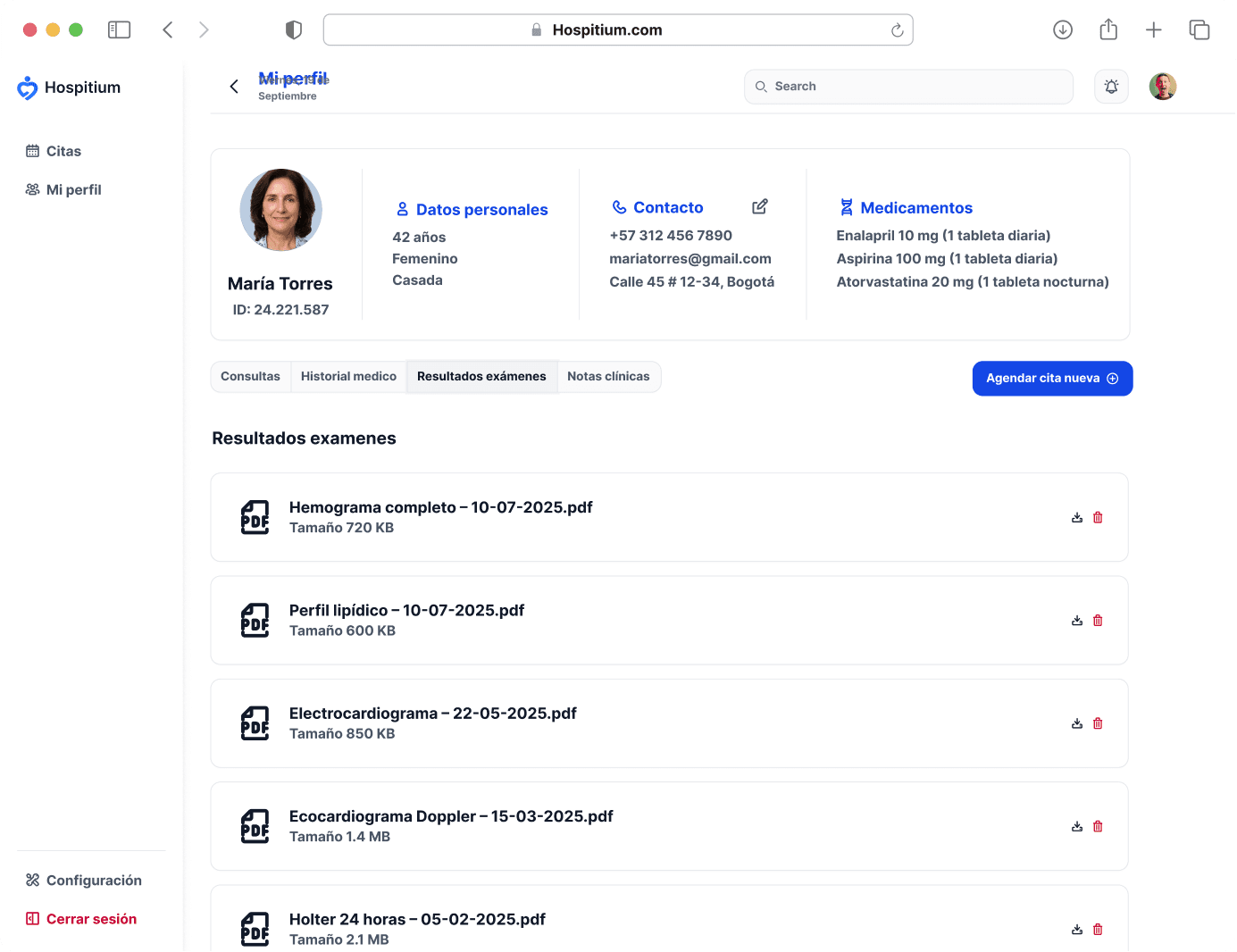
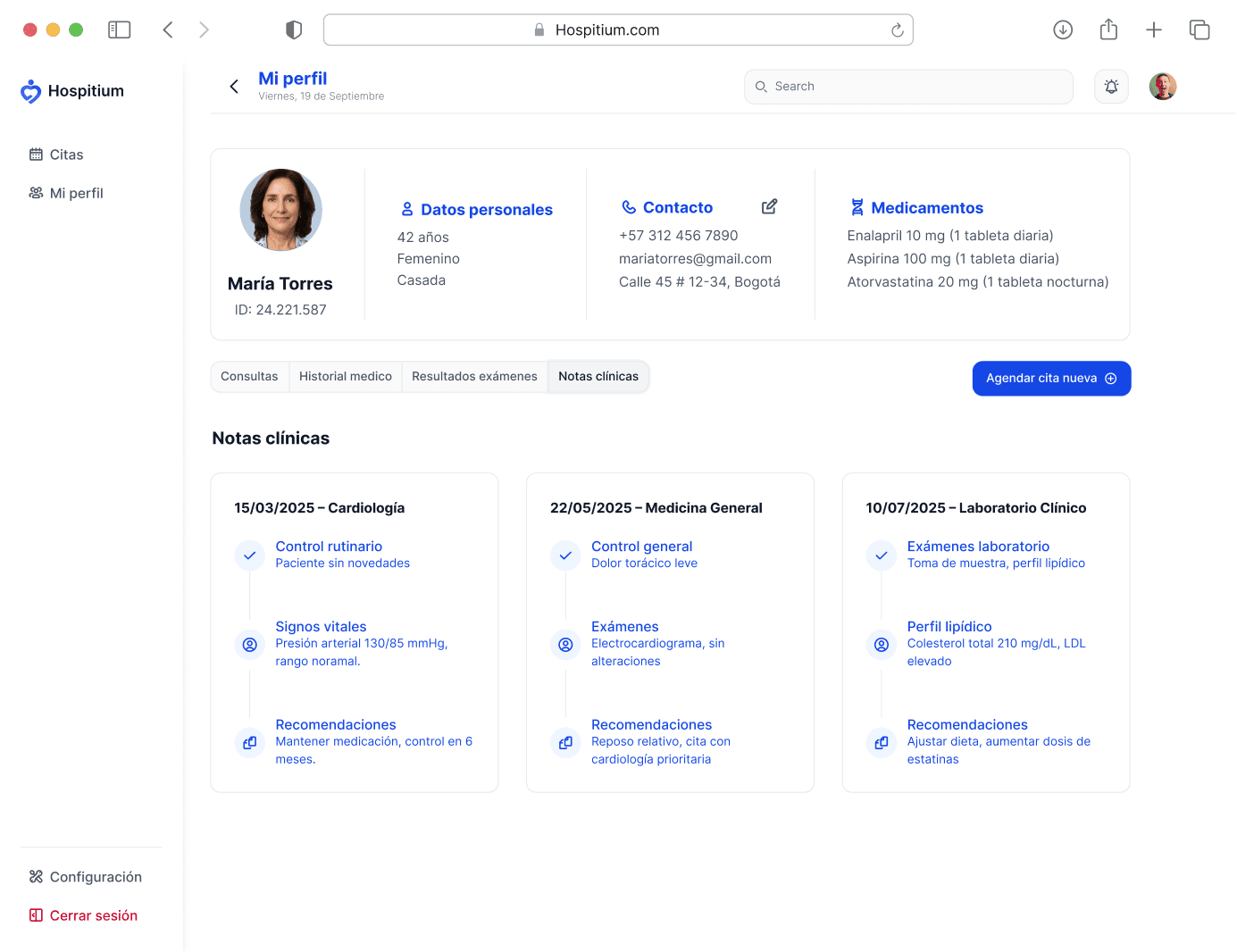
Built a high-performance database that unifies clinical records, exam results, and physician notes for seamless tracking.
CMS Design
Location
Services
Industry
Bogotá, Colombia
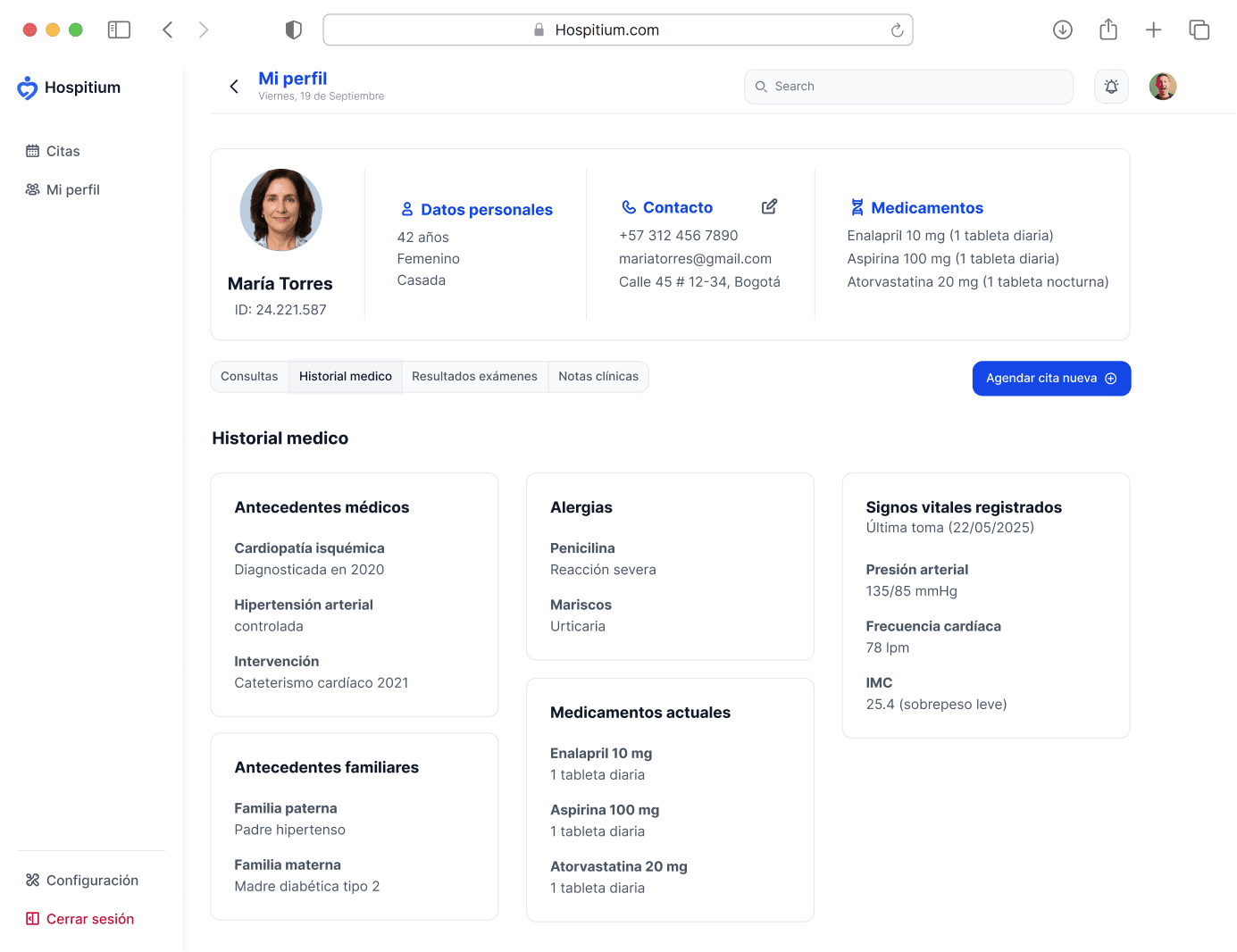
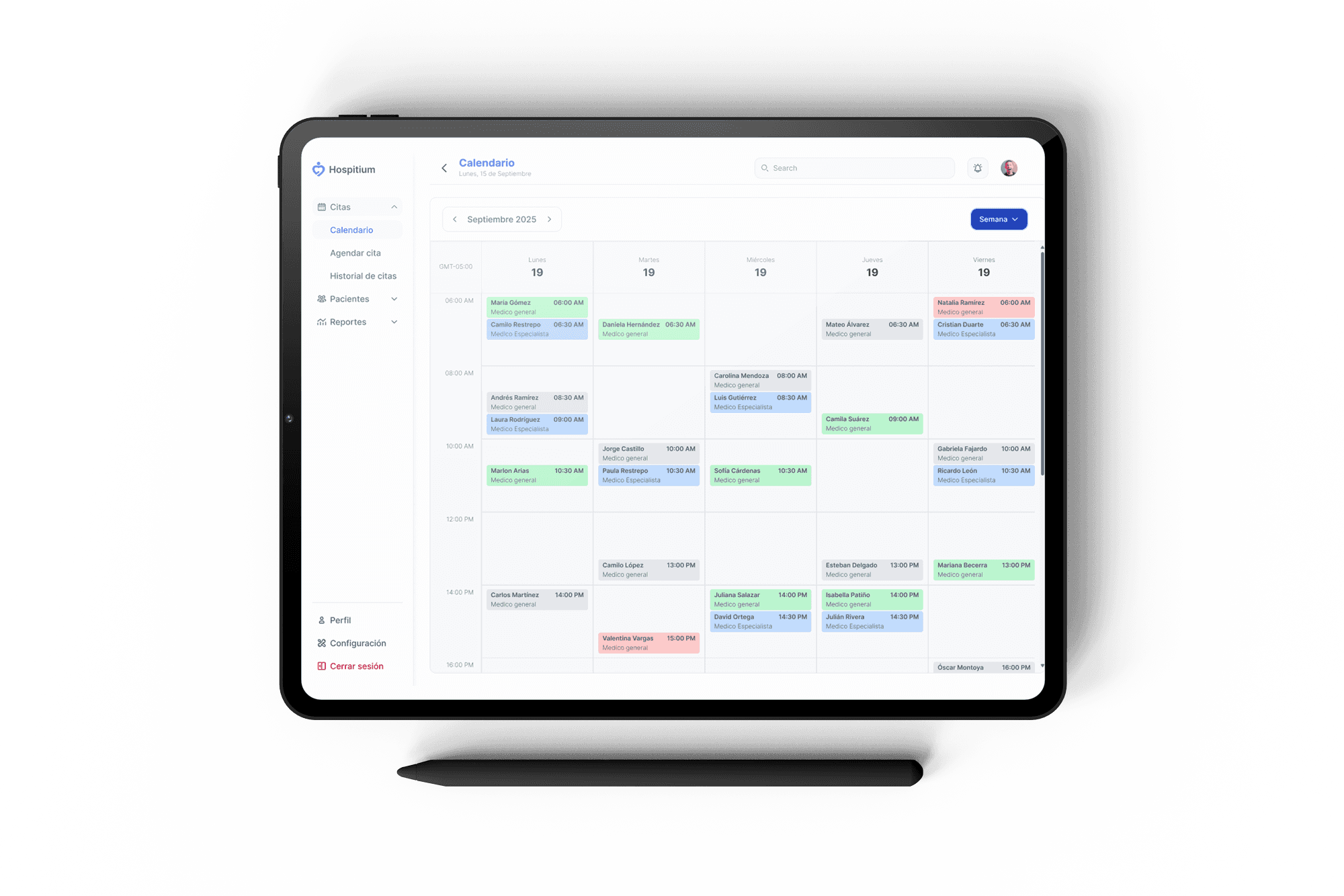
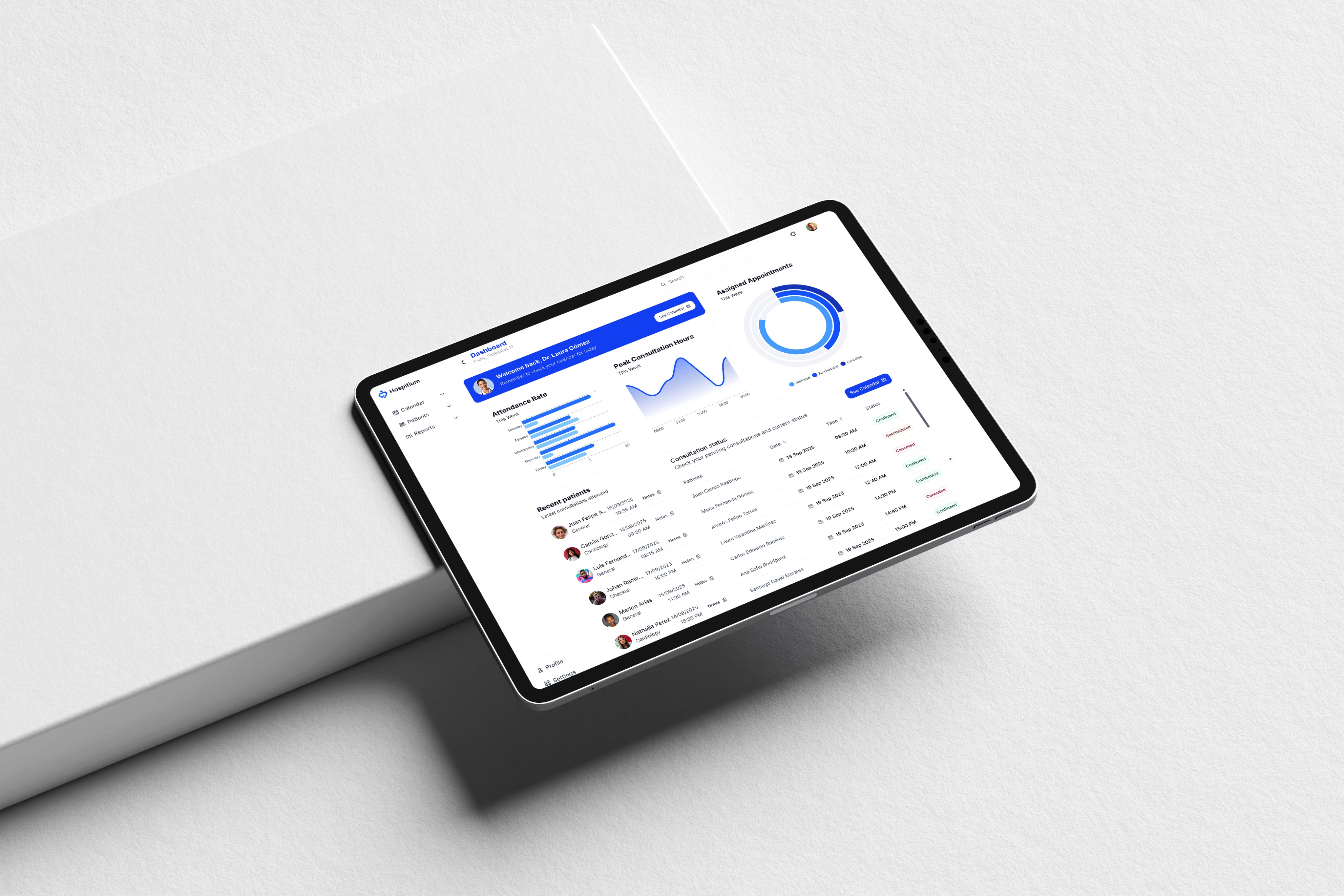
Hospitium centralizes medical operations within a single digital environment, integrating patient records, appointments, and administrative tools. This unified system enhances data accuracy, speeds up workflows, and fosters better collaboration across healthcare professionals.
The Hospitium project followed four key stages — Discovery, Define, Ideate, and Design — ensuring a user-centered process from research to execution. Each phase contributed to creating a functional, intuitive, and cohesive healthcare platform.
I designed this unified system to help medical professionals manage their workload without the friction of complex software. By streamlining the navigation between patient records, test results, and schedules, I created a tool that feels intuitive rather than overwhelming. My goal was to build a clean visual language where critical information is always just a click away, allowing doctors to focus more on their patients and less on the screen.
We delivered a comprehensive, all-in-one solution that fully meets the project requirements. The final product combines a seamless user experience with a clean visual style that is both intuitive and efficient. Healthcare professionals—regardless of their experience with management systems—can navigate it easily. It was specifically designed for on-the-go use on tablets, ensuring a fast, lightweight, and reliable tool for daily tasks.
UX/UI Design
Healthcare
Hospitium
Redefining the Healthcare Experience